It might all appear to be a bed of roses in the story of the city’s sustained growth, but on Thursday, 22 May 2008, an unprecedented act of terrorism took place in Exeter that would change the way UK city centres manage their contingency planning and disaster recovery forever.
At 12:50 on 22 May 2008, Nicky Raymond Reilly (now known as Mohamed Abdulaziz Rashid Saeed-Alim), a 22-year-old male from Plymouth, attempted to carry out a suicide bomb attack from a toilet in the Giraffe cafe and restaurant in Princesshay.
Fortunately, the attempt failed as the device’s detonator went off without igniting the main charge, causing damage to the restaurant, but no injuries to the public except to the perpetrator himself.
Police were immediately called to the scene and evacuated and cordoned off the immediate area. The cordon was originally confined to the Princesshay area, but was later extended to cover the whole of the city centre, from the bottom of High Street to Sidwell Street. A further device was found in the vicinity of the cafe, but was disabled by a bomb disposal team.
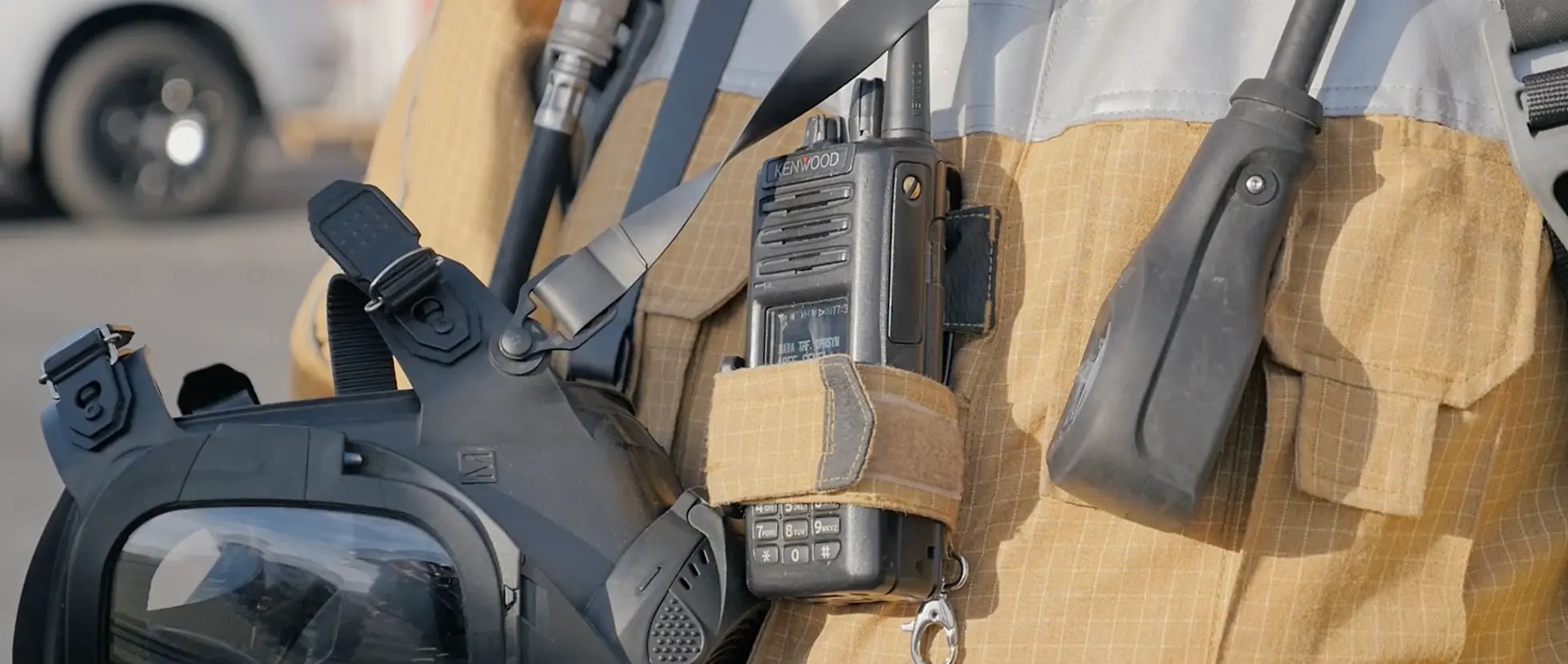
At the time of the bombing the first people to respond were members of the EBAC initiative who assisted in evacuating the area, Anthony Couch recollects: “The mobile phone networks were jammed and our only means of coordinating activities and gathering information was by our KENWOOD two-way radio system, linking our CCTV control centre to security personnel on the ground; while we hadn’t planned on an event of this nature, the incident proved to us the extended value of having our EBAC initiative in place, our communications protocol and the capabilities of two way radio in these exceptional situations”.