FM Analogue
|
FM analogue operation comes included with the NXR-1700E and NXR-1800E. This provides a practical choice for extending or replacing an existing analogue radio system.
The repeater also supports mixed analogue and digital operation during a phased migration. Organisations may continue using existing analogue radios while introducing compatible digital radios over time.
|
DMR Tier II
|
The optional KWD-NX10DC licence activates DMR Tier II conventional operation. DMR uses two-slot TDMA technology within a 12.5 kHz radio channel, supporting efficient use of available radio spectrum.
DMR features include call interruption, encrypted voice and data repeating, IP connectivity and multi-site radio operation.
|
NEXEDGE NXDN
|
The optional KWD-NX10NC licence activates NEXEDGE NXDN conventional operation. NXDN uses FDMA technology and supports both 6.25 kHz and 12.5 kHz channel bandwidths.
NXDN features include radio access control, encrypted voice and data repeating, standalone operation and multi-site IP connectivity.
The repeater uses the selected digital format, DMR or NXDN, according to its programming and activated licence. Ask an authorised KENWOOD dealer to confirm the correct format for your radio fleet and operational requirements.
|
A Planned Move from Analogue to Digital Radio
|
The NXR-1700E and NXR-1800E provide a structured route from FM analogue to digital radio communications. Organisations may install the repeater for analogue operation, then activate DMR or NXDN when they need greater system capacity, improved audio consistency or additional digital functions.
This approach helps organisations manage equipment replacement across a planned timescale. Compatible KENWOOD radios support mixed-mode fleets during the transition, reducing the need to replace every radio at once.
|
Multi-Site IP Networking
|
The built-in IP network adaptor supports communication between repeaters across separate buildings, sites or geographical locations.
With the optional KWD-NX10MS multi-site licence, the system supports up to 16 sites in unicast mode for FM analogue, DMR or NXDN operation. Multicast operation supports wider network configurations, subject to the capacity and design of the IP infrastructure.
IP networking helps organisations create one connected radio system across factories, warehouses, campuses, transport facilities and other distributed operations.
|
RF Linking Between Sites
|
The RF Link function transfers calls between locations using radio frequencies when a suitable IP network is unavailable.
This function supports NXDN and DMR inter-site communication. Analogue inter-site voice calls also transfer through a digital RF link configuration, subject to system design and programming.
|
Remote Repeater Management
|
IP remote management gives system operators and authorised dealers access to repeater monitoring, control, programming and testing functions through the network.
Supported functions include IP firmware loading, status monitoring, log acquisition, remote control and Simple Network Management Protocol reporting. Quality of Service support uses Differentiated Services Code Point settings to help manage radio traffic across an IP network.
These features support faster fault investigation and reduce the need for routine on-site access.
|
Hot Standby Redundancy
|
A 1+1 hot standby configuration provides resilience for communications where repeater availability plays a critical operational role.
The secondary repeater stands ready to support communications if the primary unit develops a fault. This arrangement suits sites where radio downtime would affect safety, security or business operations.
|
Voting Repeater and Receiver Support
|
The voting system supports up to 15 voting receivers connected to one voting repeater.
The system compares signals received from different locations and selects the strongest available signal. This helps improve portable radio coverage across large buildings, complex sites and areas with difficult radio conditions.
|
Voice Logging
|
The digital Voice Logging Interface transfers radio call packets to a compatible third-party voice recording application.
Voice logging supports organisations which need recorded communications for incident reviews, staff training, operational records or regulatory procedures. NXDN and DMR voice logging use different interface specifications, so the recording system must match the selected digital format.
|
SIP Telephone Integration
|
An optional SIP interface connects compatible telephone and radio communication functions.
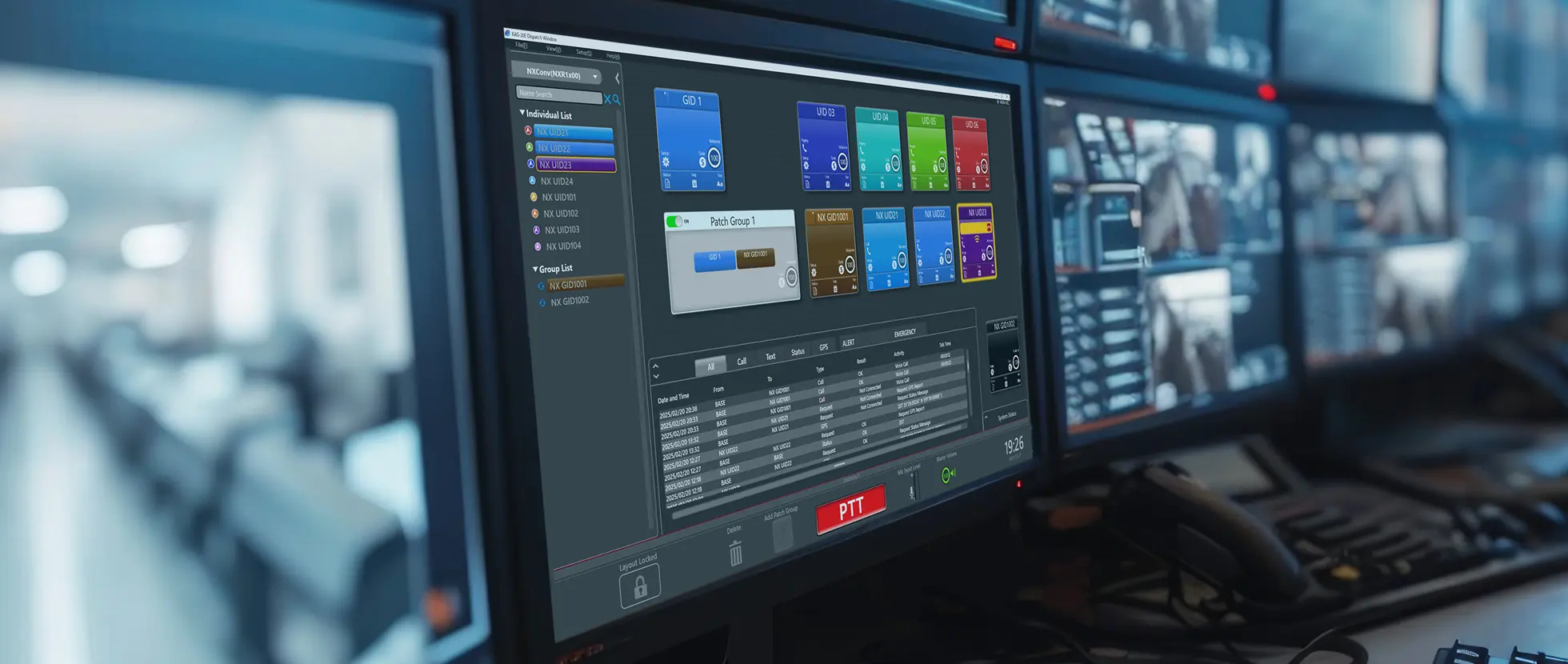
The KENWOOD KAS-20E AVL and dispatch suite supports group calls from SIP telephones in NXDN and DMR conventional systems. System features depend on the selected licences, software and network configuration.
|
SNMP support
|
The Simple Network Management Protocol (SBMP) allows integrating the repeaters into a standard SNMP application and to monitor all the IP devices in the network (Routers, Microwaves, Servers, Power supply, etc) through a single third-party application.
For the managed information, in addition to the listed KENWOOD proprietary MIB, the MIB-2 System group is also supported.
|
LDAP and RADIUS
|
The enhanced user authentication for the NXR-1000 repeaters includes the Lightweight Directory Access Protocol (LDAP) based on Active Directory or other LDAP compatible servers and Remote Authentication Dial-In User Service (RADIUS) widely used for VPN or Wi-Fi authentication.
|
Encrypted Voice and Data Repeating
|
The NXR-1700E and NXR-1800E repeat encrypted digital voice and data traffic without removing the protection applied by compatible radios.
Supported encryption depends on the selected digital format, radio models and programming. Options include AES, DES and DMR Enhanced Encryption. An authorised KENWOOD dealer will confirm the suitable security configuration for your organisation.
|